Selected projects

Models made measurable.

These projects combine learning, inference, control, and systems engineering. Reported comparisons are limited to the evaluations described in the associated work.

38K+highway scenes
~1 TBraw tracking data
faster training
24%lower error vs. baseline

General Motors · Cruise Team · 2026

Multimodal scenario conversion at scale

An end-to-end system reconstructs missing vehicles’ motion in recorded-driving simulations. The work covered cloud data processing, distributed training, held-out trajectory evaluation, and collision and quality metrics.

PyTorch DDP8× H100GCSDataflowMixed precision
Experience details
Optimal inferential control framework for machine-learning dynamical models

Machine learning · Bayesian control

Optimal control as probabilistic inference

This research treats a control objective as an inference problem and uses ensemble Kalman smoothing to compute control inputs for learned dynamics. The broader line of work connects stochastic processes, diffusion models, and inverse problems with control.

Bayesian inferenceStochastic processesDiffusion modelsMPC
Related publications
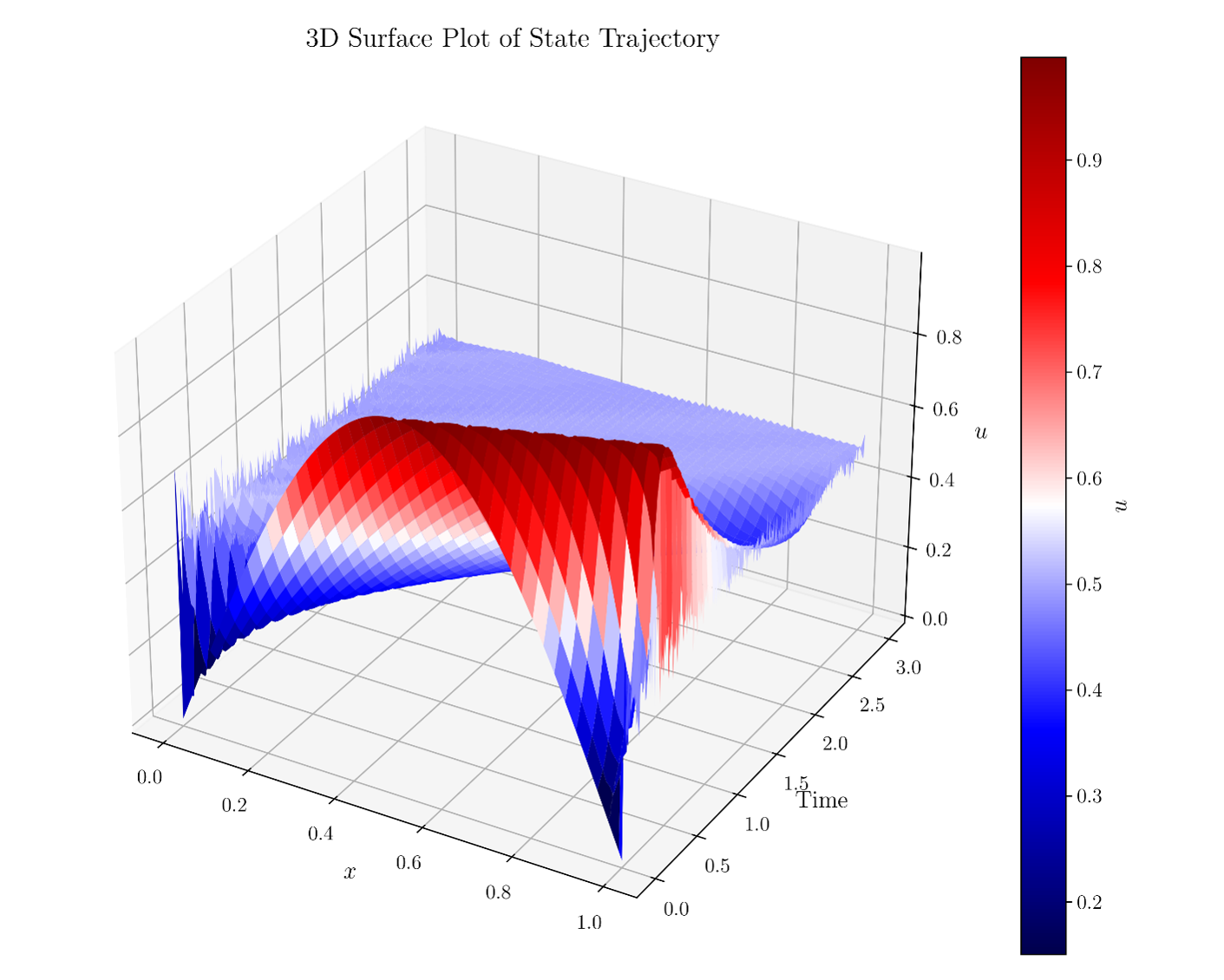
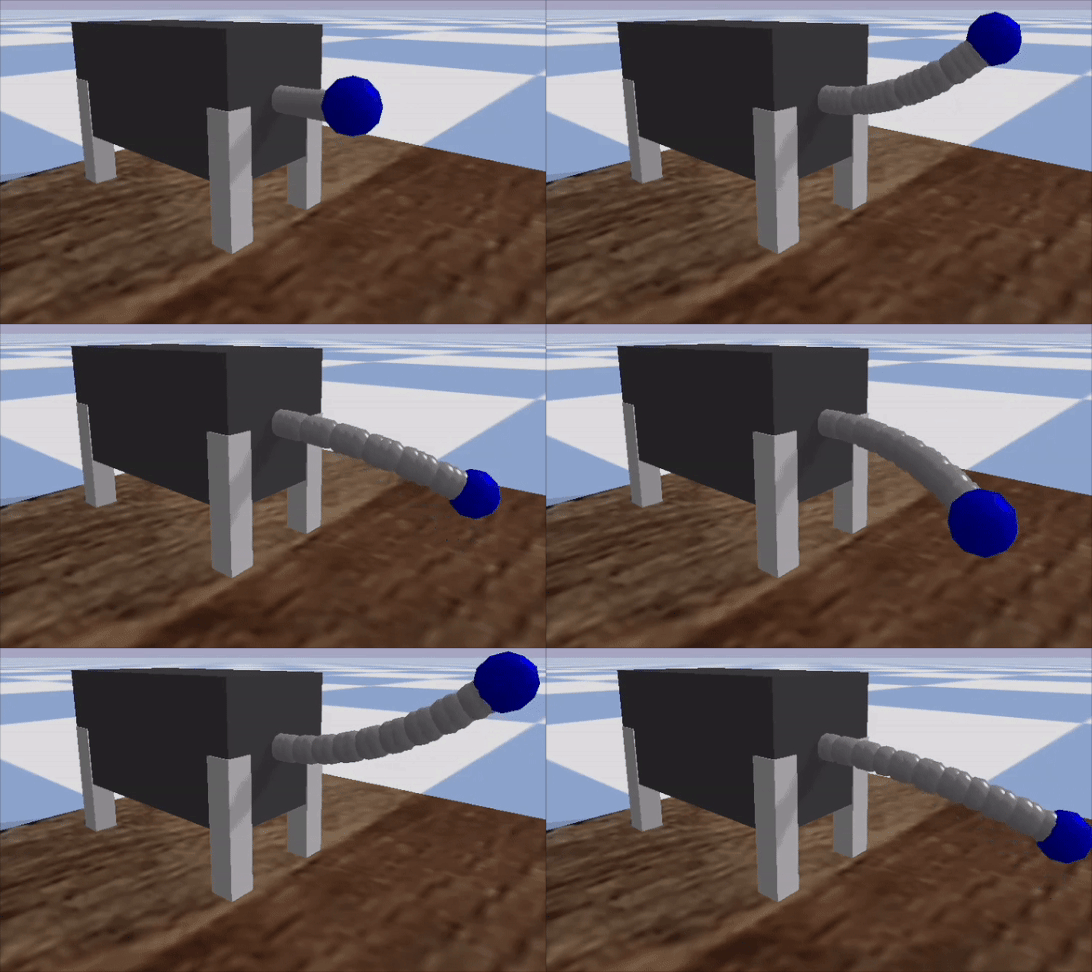
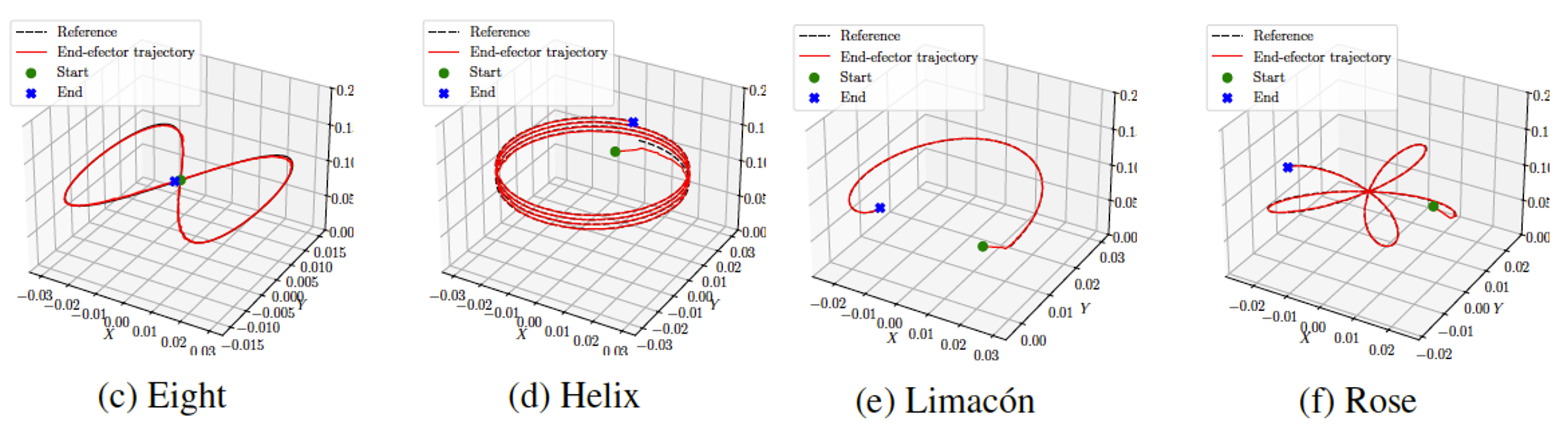
Trajectory of a controlled Neural ODE soft-robot model

Neural ODEs · Continuous-time control

GPU-accelerated optimal control of Neural ODE systems using Bayesian inference

We evaluated continuous-time model predictive inferential control on neural dynamical models, including a soft-robot manipulator. Tested configurations solved up to 200× faster computation than CasADi/IPOPT benchmarks.

Neural ODEPyTorch CUDAControl and Smoothing DualityCasADi
Publication status
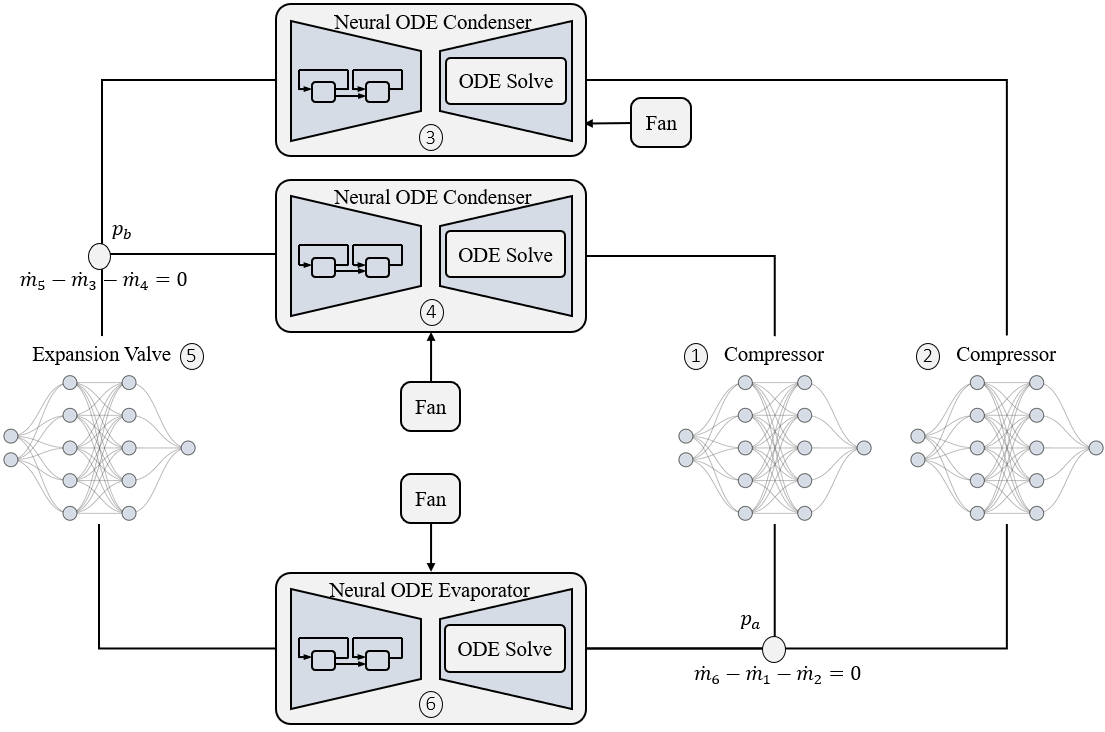
Vapor-compression HVAC system modeled with a physics-constrained neural network

MERL · Energy systems · 2024

Physics-constrained neural HVAC dynamics

A modular Neural ODE–GRU model combines continuous-time dynamics, recurrent sequence modeling, and known physical constraints. It improved forecasting accuracy by 14% and ran 5.7× faster than the previous modeling approach.

Neural ODEGRUPhysics constraintsDigital twins
Read the paper
Neural state-space vehicle model used for motion planning

Autonomous vehicles · Planning

Uncertainty-aware motion planning with learned dynamics

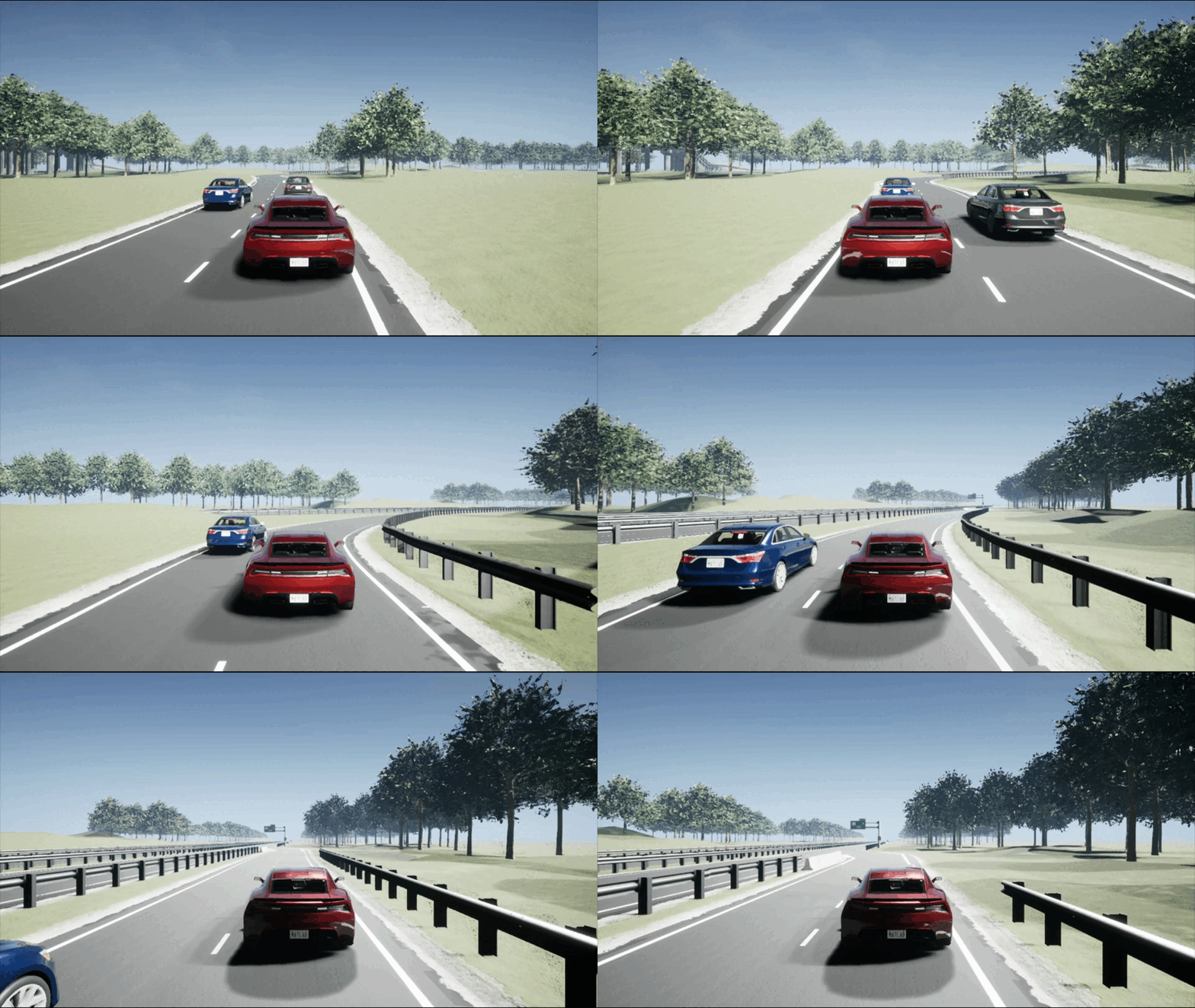
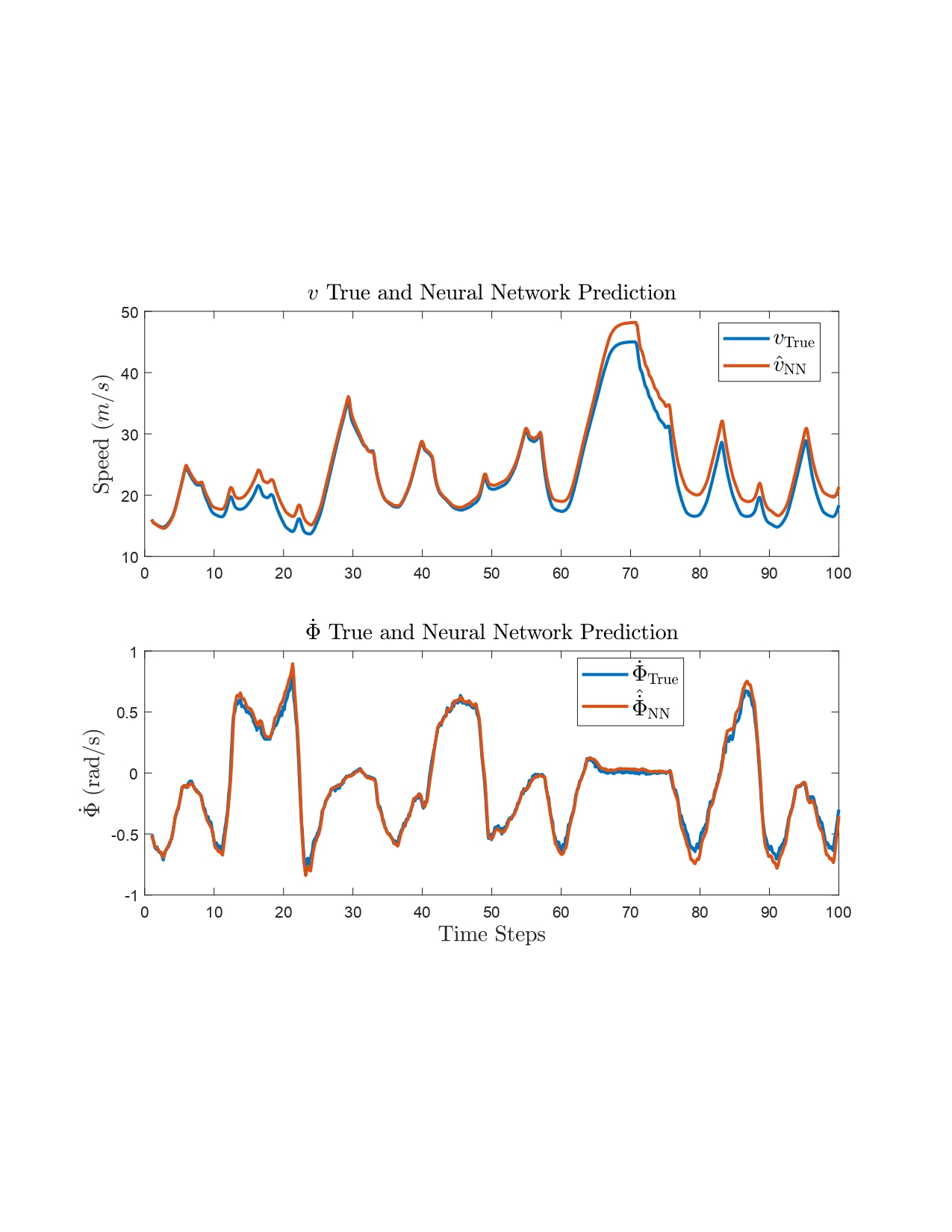
GRU and ResNet vehicle models trained on real driving data support Bayesian motion planning and conventional trajectory-optimization pipelines. Heavy-tailed Student’s-t models provide robustness to non-Gaussian uncertainty and outliers.

GRUResNetStudent’s-tSequential Monte Carlo
IEEE T-RO paper
Path-planning design for a marine waste-collection robot

Sharif University · Robotics

Marine waste-collection robot

A mobile platform with a SCARA arm combined RRT, Dijkstra, and potential-field planning with PID control. The B.S. project included mechanical design, SolidWorks CAD, and MATLAB/Simulink simulation.

RoboticsMotion planningPIDSolidWorks